The Next Big Scroll, the Social Talk trend report from digital agencies We Are Era and its subsidiary Social Match, was released in December 2025. Spanning over 70 pages, the report offers brands and agencies in-depth insights from experts and creators as well as case studies about standout content from last year.
We spoke with Mona Hellenkemper, Vice President Marketing at We Are Era & Social Match, to learn more about the report, and the opportunities and challenges ahead for brands looking to build communities. Mona also shared why she thinks that brands that engage in co-creations will shape the community economy in 2026.
1. 2025 marked the fifth edition of The Next Big Scroll, what sparked the idea, and how has community-driven marketing changed since the first edition was released?
Since the first The Next Big Scroll, we have had a clear mission: to help brands navigate the constantly shifting conditions of the social media universe. Platforms, formats and behaviours evolve faster every year, and brands need orientation, not just inspiration.
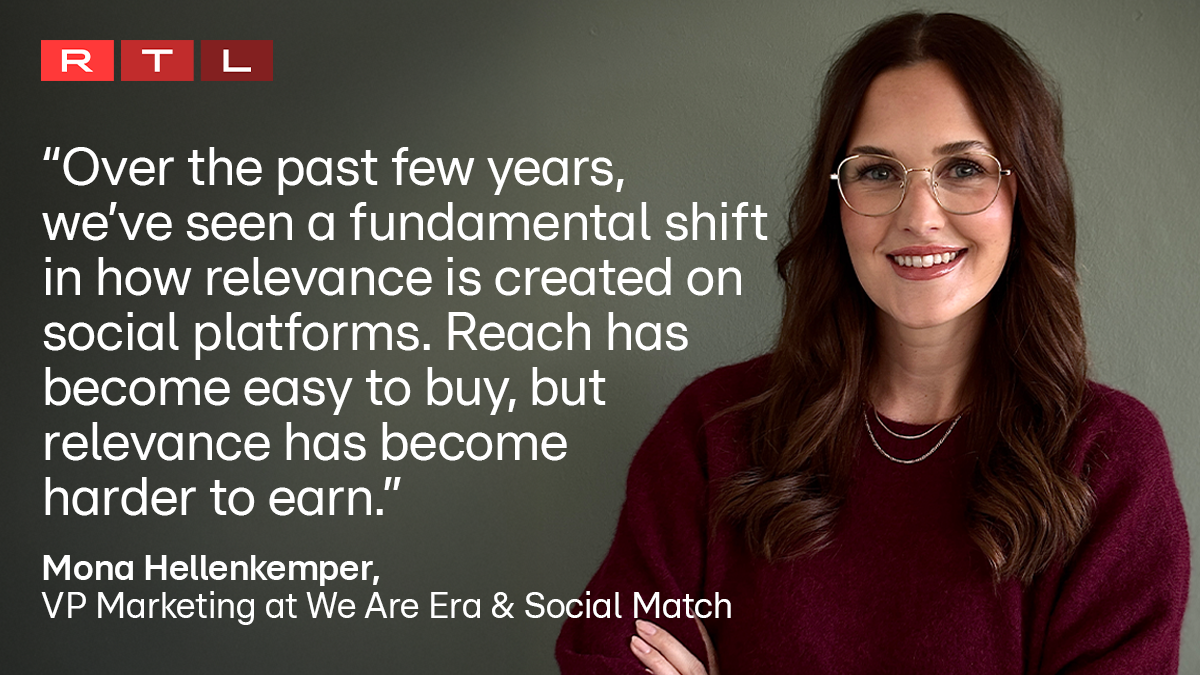
Over the past few years, we’ve seen a fundamental shift in how relevance is created on social platforms. Reach has become easy to buy, but relevance has become harder to earn. Brands need to build their strategies based on the fact that communities, rather than platforms or formats, are now the real drivers of cultural impact.
2025 made this especially clear: people actively sought belonging, intimacy and shared values, both online and offline. From private spaces to community events, the signals were everywhere. This felt like the right moment to take a step back, connect the dots and ask: how does marketing need to evolve when communities, not campaigns, set the agenda?
2. The report’s central message is clear: community-first is no longer optional. What does “community-first” mean in practice for brands in 2026?
Community-first means shifting the mindset from speaking to audiences to building relationships with people. In practice, that requires brands to understand the values, behaviours and emotional contexts that connect their communities, far beyond age or gender.
In 2026, community-first brands don’t just create content, they create access, dialogue and shared experiences. They listen as much as they speak, co-create with creators and community members, and design strategies that prioritise belonging over short-term attention.
3. Based on the insights in the report, what are the biggest challenges for brands when trying to build and maintain communities in 2026?
One of the biggest challenges is patience. Communities can’t be built overnight, yet many brand structures are still optimised for short-term campaign thinking and fast KPIs. Building trust, relevance and emotional connection takes time and consistency.
Another challenge is authenticity. While the term itself may feel overused, the underlying concept has never been more relevant: communities quickly sense when brands enter their spaces without a real reason to be there. Brands need a clear point of view, cultural sensitivity and the humility to participate rather than dominate. Finally, scaling community efforts without losing closeness will be a critical balancing act in 2026.
4. On the flip side, where do you see the greatest opportunities for brands that are willing to think community-first rather than campaign-first?
The greatest opportunity lies in long-term relevance. Brands that think community-first don’t have to chase every new trend. They become part of the cultural fabric their audiences care about. That creates resilience in a fast-changing media landscape.
We also see huge potential in turning communities into innovation partners: from product development to content formats and even commerce. When brands build real relationships, communities don’t just engage but advocate, contribute and grow alongside the brand.
5. Looking back at 2025, what is something you appreciated in creator marketing, and what would you like to see brands do more of in 2026?
In 2025, we saw a strong move toward more human, imperfect and narrative-driven creator content. Brands that trusted creators with creative freedom and long-term partnerships clearly stood out and so did their results.
For 2026, I’d love to see brands go even further: moving away from transactional collaborations toward true co-creation. Creators are no longer just media channels; they are cultural translators and community leaders. Brands that treat them as strategic partners, not just faces, will be the ones shaping the next chapter of the community economy.
Thank you for your time, Mona!
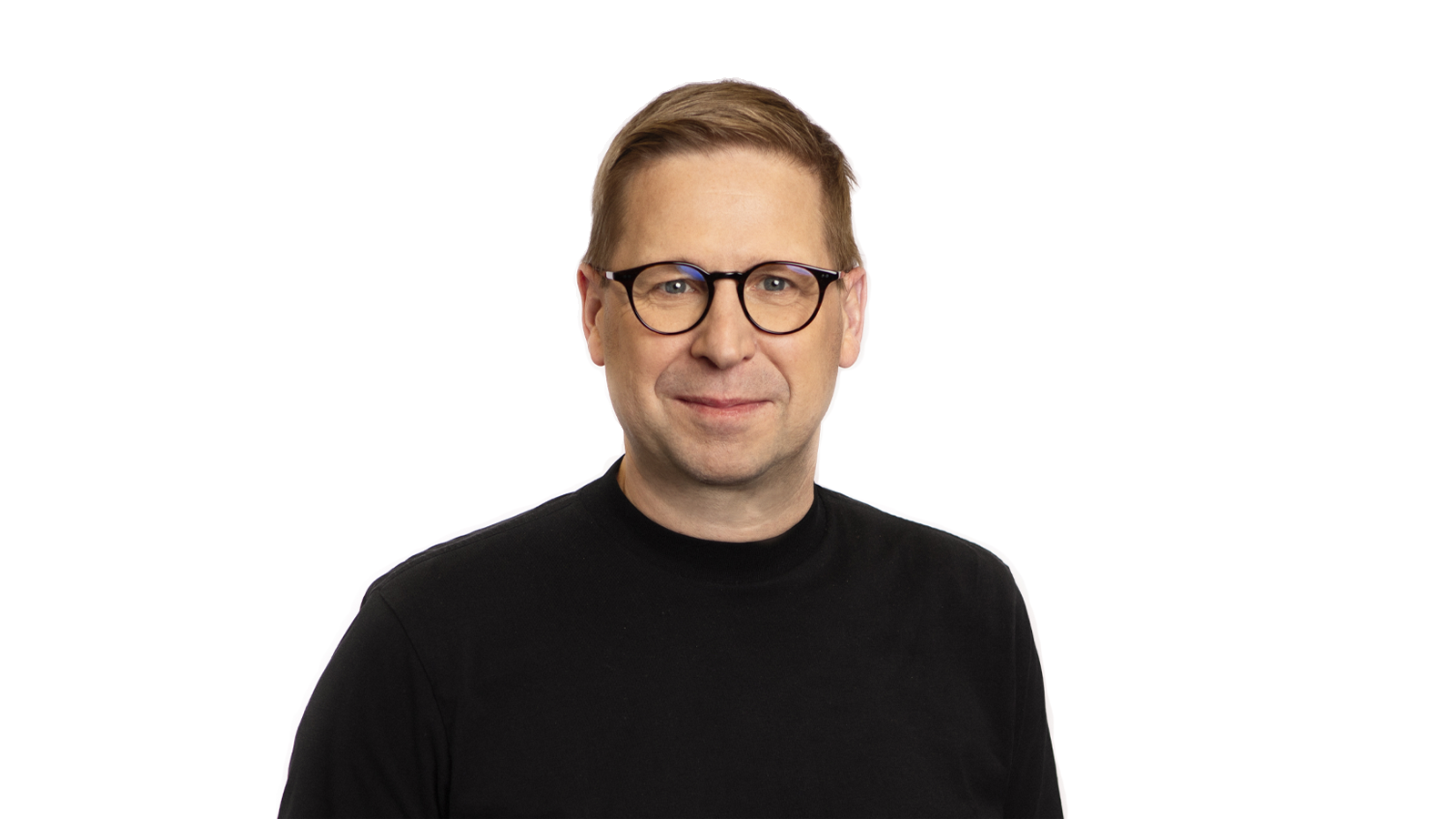
Oliver Fahlbusch
Executive Vice President Communications & Investor Relations, RTL Group
+352 / 24 86 5200
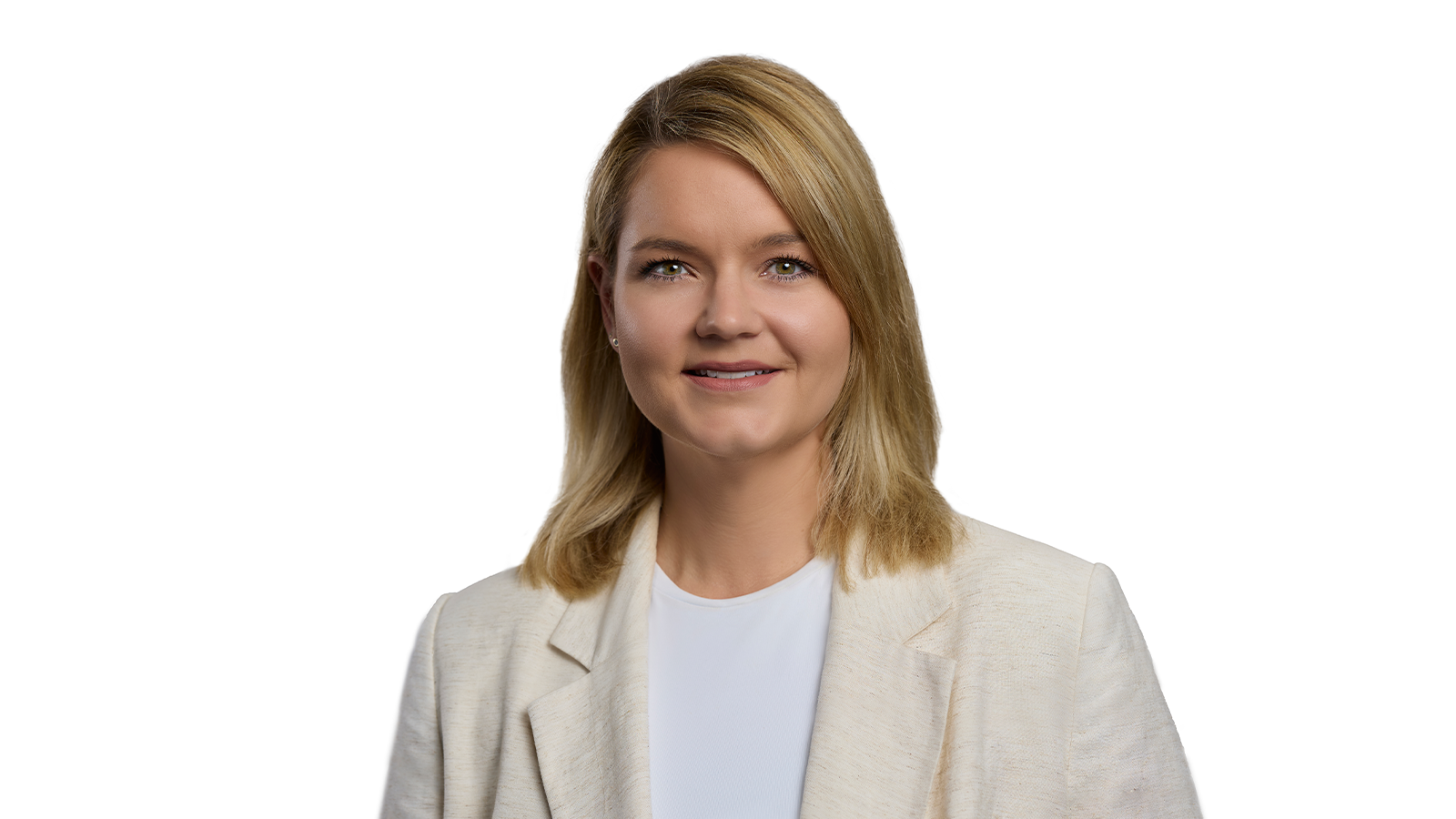
Irina Mettner-Isfort
Vice President Media & Investor Relations
+49 221 456 56410